



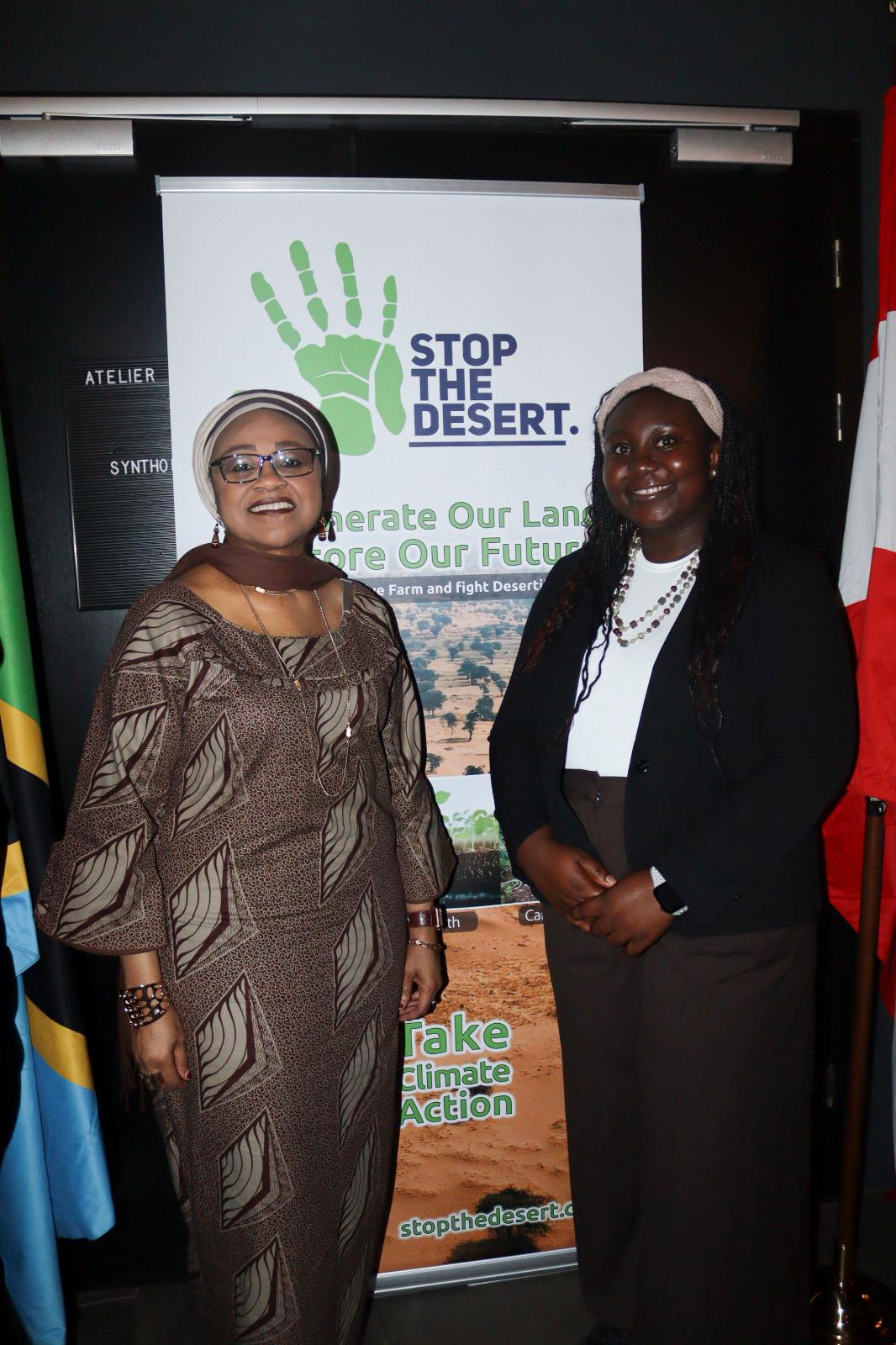
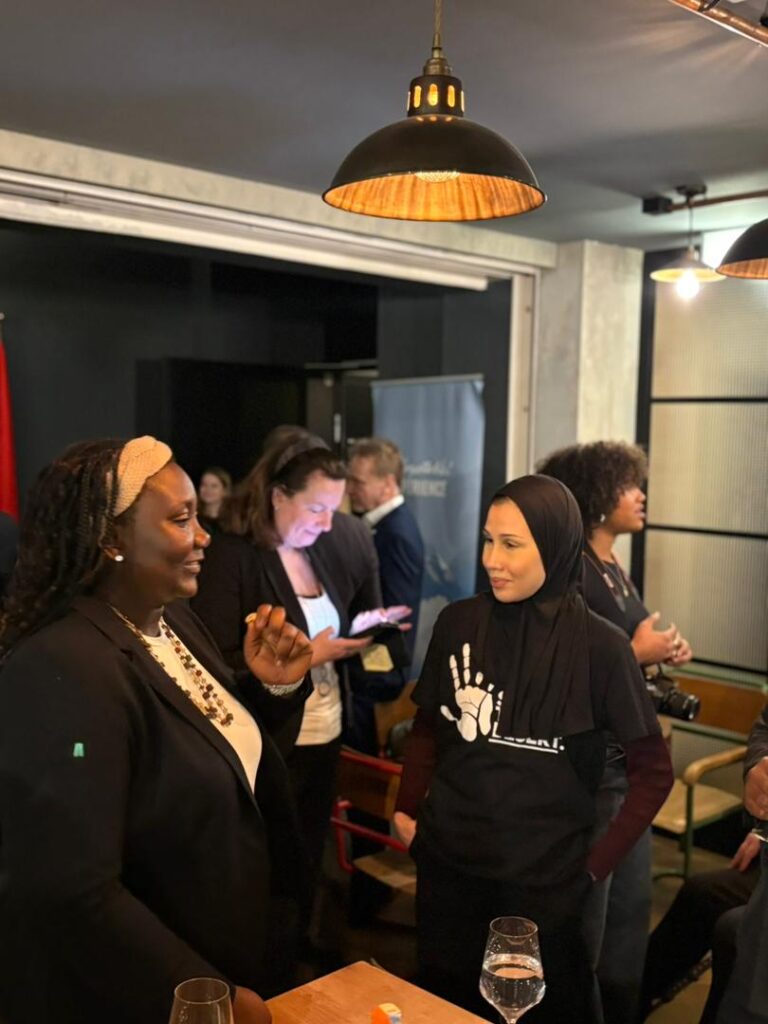
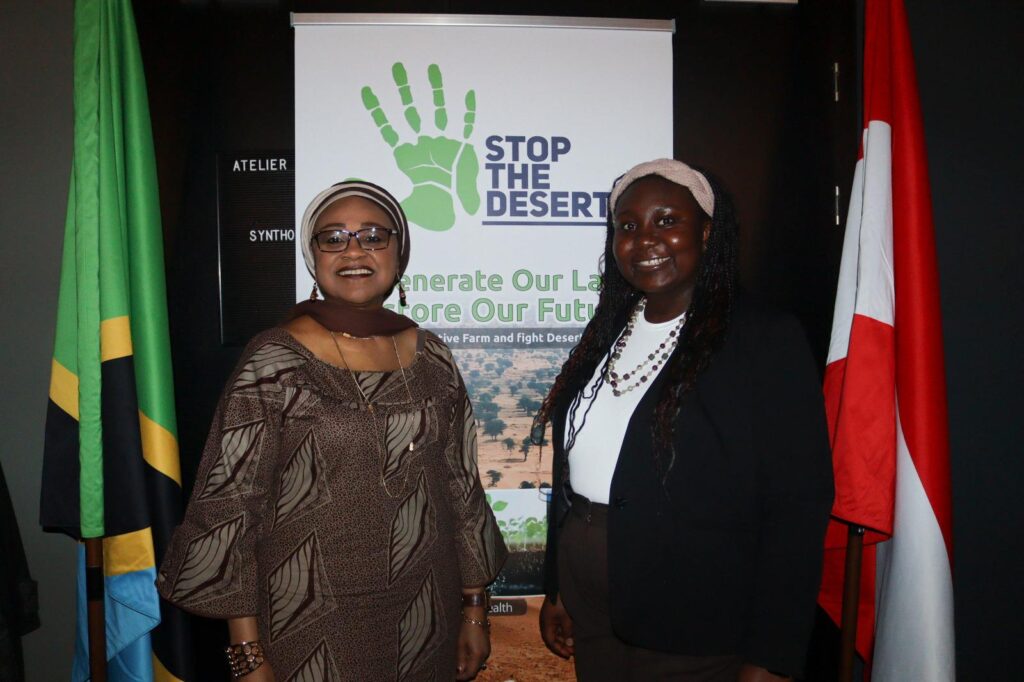
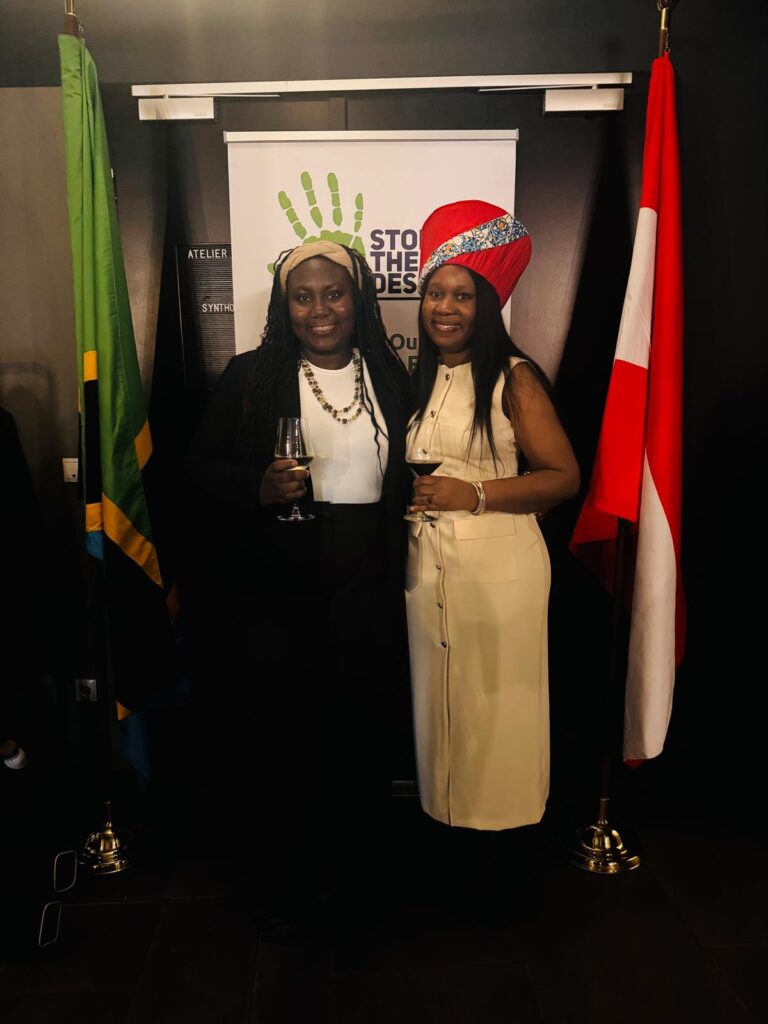
Over the weekend, I had the incredible opportunity to spend an evening with my friend and sister Lynette Penkner, the Stop The Desert team, and distinguished guests including H.E. Naimi Sweetie Aziz, Ambassador of the United Republic of Tanzania to Austria and her delegation. It was inspiring to learn firsthand about the organization’s impact on grassroots communities in Tanzania and participate in meaningful dialogue with Africans in the diaspora, experts, and volunteers.
Launched in 2024, Stop The Desert is a global non-profit with a bold mission: to accelerate regenerative agriculture as a solution for people and the planet. Led by Co-Founder and CEO Lynette Penkner, they have mobilized 75 sustainability ambassadors across 27 countries and provided 50 smallholder farmers in Tanzania, many women, with regenerative farming tools and training to restore land and strengthen livelihoods.
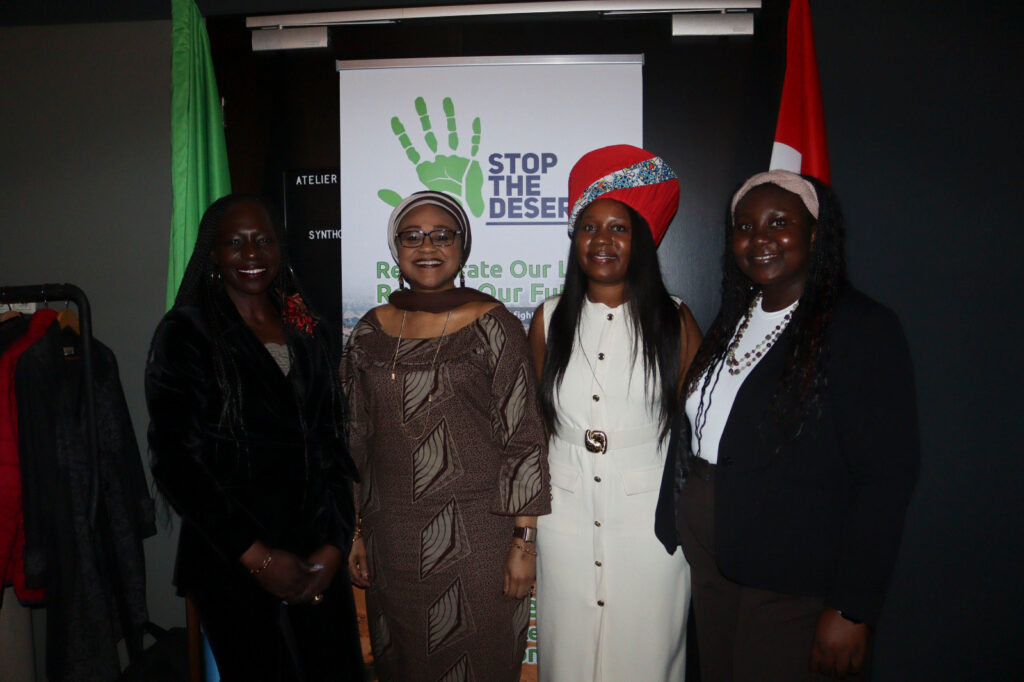



With a research unit in India, the organization is making science-backed, tangible progress in regenerative agriculture—revitalizing soil, sequestering carbon, increasing yields sustainably, and building long-term resilience for communities.
The stakes couldn’t be higher: up to 40% of the world’s land is already degraded, affecting 3.2 billion people, and half of global food supplies are at risk if agricultural practices remain unchanged.
2026 is a pivotal year: the United Nations has declared it the International Year of the Woman Farmer and the International Year of Rangelands and Pastoralists, shining a spotlight on women’s crucial role in agrifood systems and the protection of landscapes essential for food security and climate resilience.
This evening reinforced a powerful truth: empowering women and protecting the land are inseparable pillars of a resilient food future—and Stop The Desert is leading the way.